

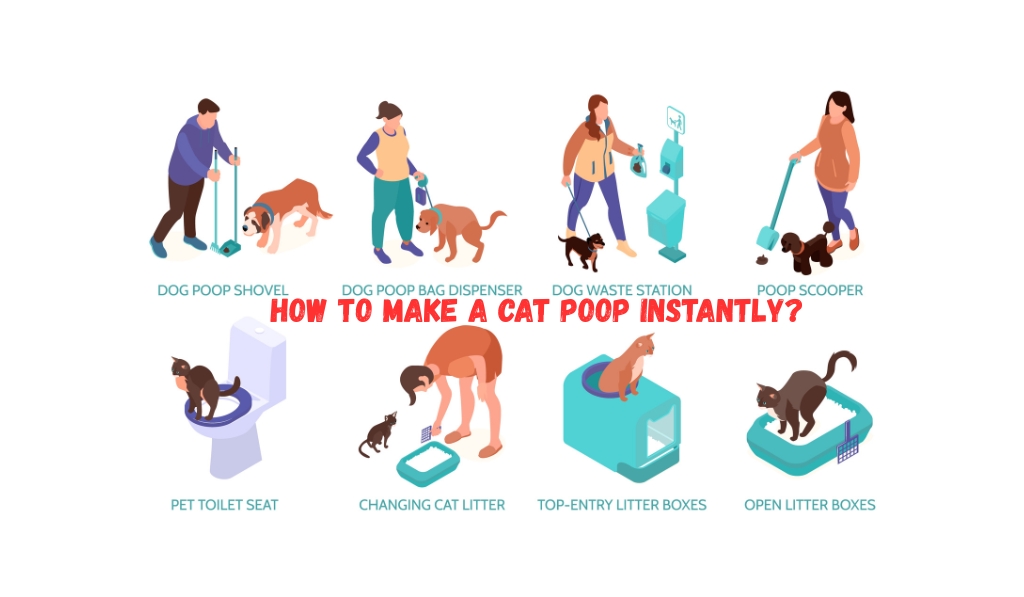
You can be broken-hearted seeing your cat fight in the litter box. When you want to know how to poop a cat in a second, you are involved in the so-called feline constipation of the digestive system, which is a surprisingly frequent problem among cats of all ages.
Although it is not possible to have a magic trick that can ensure your cat will drop down and poop in seconds, you can relieve it in a few hours and avoid future incidences by understanding the correct methods.
The Secret of When Your Cat Can’t Poop
The majority of healthy cats drop their faeces after every 24-36 hours. Your cat is squatting in the litter box, and you are wringing your fingers on her back and she is not making it. Or not making it in over 48 hours, then it is time to do something.
Normal cat poop must be thick, dark brown, and wet to the touch that litter gets attached to it. Any drastically different is an indication of a problem.
Identification of Constipation Symptoms
Your cat will not always manifest his or her discomfort. Be aware of the following warning signs that show that it is so difficult to have your cat poop in his litter box:
- Literally crying or straining without going to the litter box without stool.
- Cat droppings or cat turds which are tiny, dry and hard and are outside the box.
- The cat uses the floor or carpet rather than the box to defecate.
- Obvious bloating or uncomfortable tight posture.
- Loss of appetite or lethargy
- Vomiting (constipation may reverse the digestive tract)
Age-Based Constipation Concerns
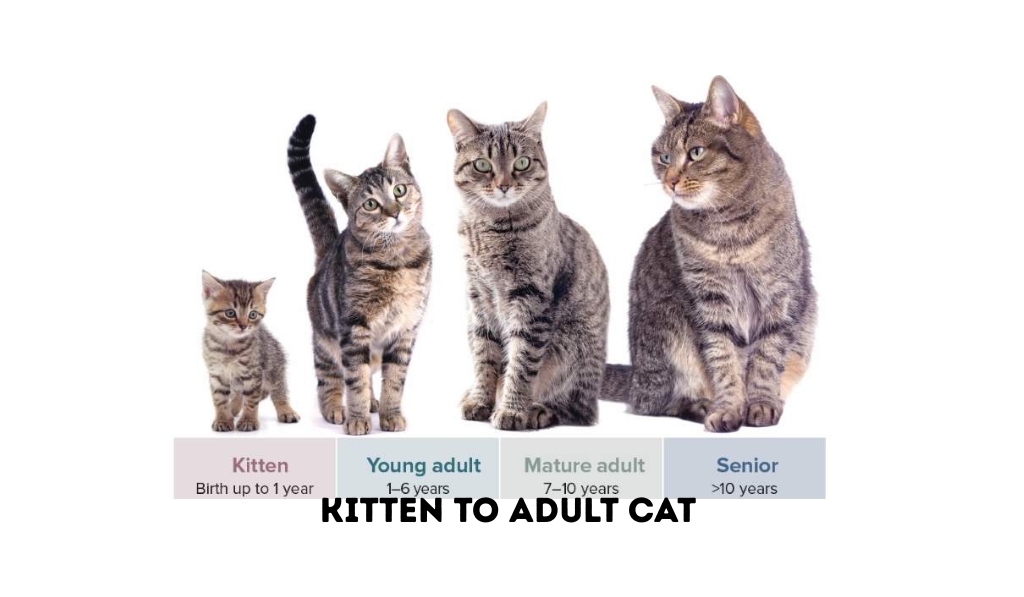
Different life stages bring different challenges when it comes to helping your cat poop. Understanding these distinctions helps you respond appropriately.
| Cat Age | Common Causes | Best Dietary Approach |
| Kittens (0-6 months) | Dehydration, hairballs, insufficient stimulation | High-moisture wet food, water fountains |
| Adult Cats (1-7 years) | Low-fiber diet, obesity, stress | Balanced wet/dry food mix, pumpkin supplements |
| Senior Cats (7+ years) | Arthritis, kidney disease, megacolon | Prescription low-residue or high-fiber diets |
Newborn kittens need special attention—they require external stimulation to poop, typically provided by their mother’s grooming. If you’re bottle-feeding, use a warm, damp cloth to gently massage the kitten’s anal area after each feeding.
Instant Relief Strategies: Making Your Cat Poop Quickly
Although it is not realistic to expect really instant results such strategies can assist a cat to poop in 6-24 hours. Never administer any treatment independently.
1. Fluids To be Introduced Asap
The top reason of cat constipation is dehydration. Water smears the bowels and soften the stool making it easy to pass.
Quick hydration tactics:
- All meals should be replaced with wet food (which has 70-80% moisture)
- Install several water bowls in your house.
- Experiment with a cat water fountain–and most cats like running water.
- Add low sodium chicken broth to food.
- Add a drop of warm water to food.
2. Inclusion of Fiber-Rich Foods in the diet of your cat
Fiber supplements are used in terms of normalizing bowel movements and providing bulk to stool. The most effective cat litter in the problems of diarrhea and constipation is frequently accompanied with the dietary fiber.
Proven fiber solutions:
- Canned pumpkin (unsweetened pure pumpkin): 1/4 to 1 teaspoon in wet food 2 to 3 times per day.
- Unflavored Metamucil (psyllium husk): 1/4 to 1/2 teaspoon one or twice a day.
- Psyllium or wheat bran cat supplements.
Begin with amounts and increase gradually. Excess fiber and at the same rate may aggravate the situation or lead to diarrhea.
3. Gentle Abdominal Massage
An Abdominal massage can induce bowel movement and get your cat to poop. Gently rub your cat clockwisely around its abdomen with light pressure using your fingers in 2-3 minutes. This simulates the process of natural digestion and may be comfortable.
4. Stokesie lubricating oils
One can use small portions of specific oils to lubricate the stomach of your cat:
- Olive oil or coconut oil: 1/4-1/2 teaspoon added to food one time a day up to 7 days.
- These oils give a coating to the intestines and make the stool softer so that it passes easily.
Mineral oil should not be used orally because it is likely to induce aspiration pneumonia in case it enters the lungs.
5. Boost Exercise and Activity
Body physical activity stimulates the gut. Even cats that poop on the floor usually become better with more activity. The cat becomes inactive due to obesity and contributes to constipation.
Activity boosters:
- Playing games (interactive) (20-30 minutes each day).
- Cat toys which stimulate chasing and jumping.
- Cat perches and window cat climbing.
- Finger wands or lasers to play with actively.
6. Enhance Litter Box Environment
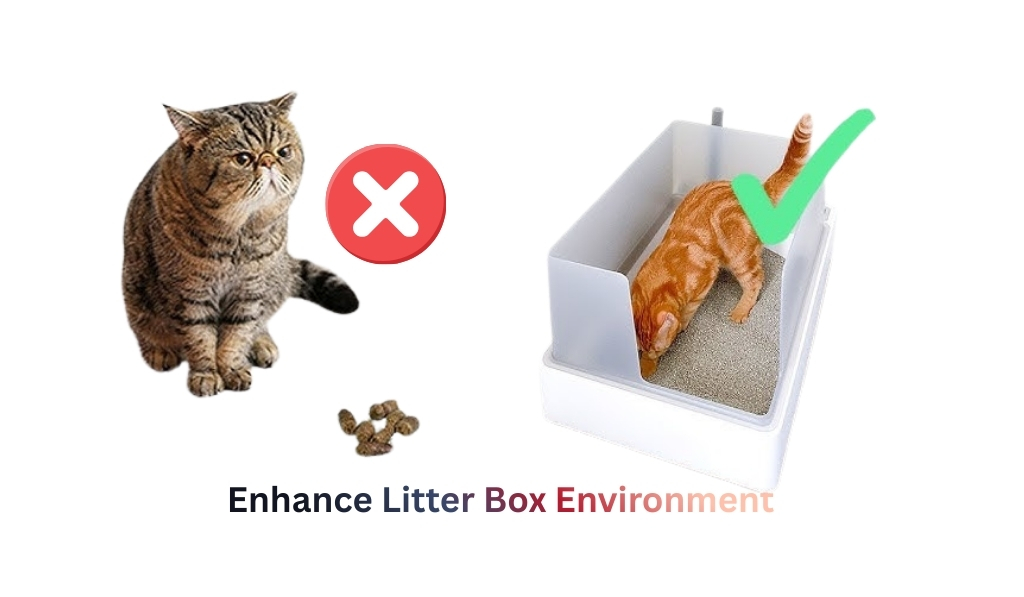
Litter box Sometimes this is a problem that is not physical–your cat may be not using a litter box because of a bad litter box experience.
Litter box best practices:
- Scoop once a day (three times a day in case of multi-cat housing).
- One box each cat, one additional.
- Large, uncovered boxes (1.5x your cats length) should be used.
- Boxes should be at convenient accessible points.
- No perfumed litters–cats hate scented ones.
- Add baking soda to cat litter to keep the odor but not the smell.
When Home cures are not sufficient
When your cat has not pooped in 48-72 hours despite interventions at home, or has severe symptoms of vomiting, extreme lethargy, a swollen belly, call your veterinarian. There are also cases when the work of a professional is needed:
Veterinary Treatments
Enemas: An enema is safe to administer by a veterinarian in order to relieve the immediate feeling. Do not try this at home, human enemas are poisonous to cats.
Drugs: Your veterinarian can prescribe:
- Lactulose (hyperosmotic laxative)
- Prokinetic medication to replace intestinal motility.
- Severe case lubricant laxatives.
Manual deobstipation: In extreme constipation (obstipation), a vet cannot be allowed to passively remove impacted feces, and must manually do so under general anesthetic conditions.
Preventing Future Constipation
Prevention would have some importance when you are beyond with the immediate crisis. Cat constipation is common and in most cases fails in responding to lifestyle change.
The Long-term Prevention measures
Dietary adjustments:
- Consume a majorly damp food diet.
- Ensure that there is adequate fiber (but not beyond that).
- Consider hypoallergen diets with the possibility of food allergies.
- Test probiotics in order to preserve healthy bowel flora.
Environmental enrichment:
- Pheromone diffuser (Feliway) as a stress reduction method.
- Follow regular schedules.
- Provide shelter and retreat and up and down.
- How to dispose the cat poop in a carpet in order to prevent future incidences in the same area.
Regular grooming:
- Brush long haired cats daily to get rid of hairballs.
- Post-diarrheas washing of the bottom of a cat will prevent any infections.
- Hairball preventive supplements to take into consideration.
Weight management:
- It is recommended to achieve a good weight by consulting your veterinarian.
- Obesity causes inflammation and retards digestion in the intestine.
How to Live with Serious Conditions
Cases of constipation presuppose more severe problems that might require regular treatment:
Megacolon: This is the mishap in which the colon becomes swollen and it has no muscles and cannot contract itself normally. The prescription diets can be used to treat such state or in a very extreme case, a surgeon may remove it.
Pelvic trauma: The previous fractures can lead to a constriction of the pelvic canal that makes it difficult to defecate.
Chronic diseases: Extreme constipation can be caused by kidney disease, diabetes and hypothyroidism.
Final Thoughts
Even though you cannot get your cat to poop in a matter of a few seconds with the help of some simple trick, knowing the causes and applying these evidence-based methods will be capable of assisting you within a few hours. One should keep in mind that the issue of the cat feces smell and the cat poop on the carpet are short-term and that it is the constipation that would need addressing.
Most of the cases of feline constipation are easily remedied through enhancement of the hydration, the dietary fiber, and the litter box environment. However, it always requires a visit to the veterinary in case of chronic constipation or severe ones. Your vet will be able to tell what underlying problems you have and give you the correct treatment and can help you develop an extended prevention program that will help keep your cat happy and healthy.
When the cat begins to act differently in the bathroom, it is possible to prevent minor constipation before it becomes a serious health problem by following the behavior of your cat before it escalates. The food condition of your cat is the index of its overall health status–care of it as the barometer of serious health it is.
Frequently Asked Questions
Q: How long does it take for a constipated cat to poop after treatment?
A: Through hydration and fiber supplementation, most cats start to improve in 12-48 hours. Call the vet in case your cat did not poop after 72 hours of home treatment.
Q: Can I give my cat human laxatives?
A: Do not administer human laxatives to your cat. Many are toxic to cats. Use only those products that your vet has endorsed.
Q: Why is my cat suddenly pooping on the floor instead of the litter box?
A: The abrupt alterations of the behaviour in the bathroom are often the signs of such medical problems as constipation, arthritis pain, or stress. Eliminate the possibility of medical reasons first and then deal with behavioural reasons.
Q: Is pumpkin safe for constipated cats?
A: Yes, canned pumpkin (not pie filling) is safe and efficient (pure). Begin with 14 teaspoon in a day and modify.
Q: How can I tell if my cat has a serious blockage versus simple constipation?
A: The symptoms of severe blockage are to be alerted by constant vomiting, total loss of appetite, abdominal swelling, and painful crying. These must be taken to the veterinary.