

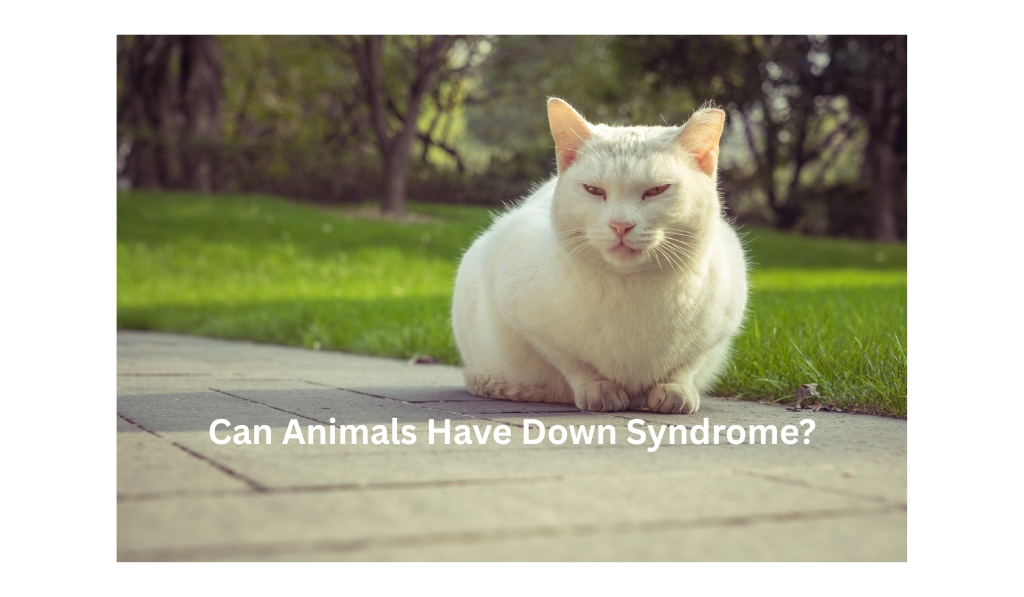
You have come across those viral photos where someone has written animals have Down syndrome, cats with a flat face, tigers with unusual features and dogs with a distinctive appearance. However, the scientific fact is that animals cannot possess Down syndrome like a human being. What is actually the case with these special animals?
Knowledge about Down syndrome in Humans
A trisomy 21, also known as Down syndrome, is a clinical condition where human beings possess an increase in the number of chromosomes 21. Human beings have 23 chromosome pairs (46 chromosomes in total) and this extra genetic material leads to typical physical appearances, developmental delays as well as other health challenges.
The disease is identified in about 1 out of 700 births in human beings and is caused by chromosomal abnormalities during cell division. This additional chromosome interferes with normal development and results in what is usually found to be typical with Down syndrome.
Why Down Syndrome is not in Animals
The easy solution to this is in genetics. The chromosomal structure of different species is completely different:
- Human beings: 23 pairs (a total of 46 chromosomes)
- Cats: 19 pairs (there are 38 chromosomes in total)
- Dogs: 39 pairs (a total of 78 chromosomes)
- Tigers: 19 pairs (38 chromosomes in total)
Cats and dogs lack chromosome 21 so they simply cannot acquire trisomy 21. The genetic code of every species is different and, therefore, non-human animals have no chance to have Down syndrome like human beings.
What about Cats with Down Syndrome?
The idea of feline Down syndrome has gained traction on social media yet this has been strongly denied by veterinary science. The cats that have weird facial features like wide set eyes or flat noses or difficulties in their coordination do not have Down syndrome. Rather, these characteristics are as a result of:
Cerebellar Hypoplasia
It is a neurological disorder that impacts on a cat in terms of coordination and balance, and in most cases, this is as a result of exposure to feline panleukopenia virus in the course of pregnancy. With proper care, kittens become wobbly and uncoordinated yet they can lead a good life.
Genetic Mutations
Craniofacial defects, short extremities and other physical variations may be spontaneously genetically mutated. These species specific mutations and are not related to chromosome disorders in humans.
Congenital Defects
Physical and behavioral abnormalities caused by exposure to toxins, nutritional deficiencies or infections in the mother can create a superficial look of the symptoms of Down syndrome.
Klinefelter Syndrome
Cats with calico/tortoiseshell males may carry an additional X chromosome (XXY) like in Kline felter syndrome in humans. This disorder impacts the patterns of coat color, and it renders infertility but has no similarity to Down syndrome.
Dogs Have Down Syndrome: Fact or Fiction?
Dogs do not possess Down syndrome because they are not the same in terms of the chromosomal makeup. Nevertheless, in dogs, a number of congenital disorders can result into the same symptoms:
Congenital Hypothyroidism
This disorder is common among German shepherds and leads to retarded growth, muscle tone, mental dullness, and large tongue- which could be similar to the Down syndrome.
Pituitary Dwarfism
This hormonal deficiency does not allow normal growth, the appearance and development of a puppy will always appear puppy-like.
Portosystemic Shunt (PSS)
This pathologic interconnecting between blood vessels makes toxins to pass right over the liver resulting in impaired growth, behavioural abnormalities, and neurological symptoms.
Hydrocephalus
This is a disorder known as water on the brain in which there is an overabundance of cerebrospinal fluid, which results in swollen heads, impaired vision, and altered behavior especially among the breeds such as Persians, Siamese, and Manx.
The Only Exception: Primates and the Down Syndrome
Only chimpanzees and other great apes may develop a condition which is actually similar to the human Down syndrome. The number of chromosomes in great apes is 24 pairs, and ape chromosome 22 is similar to the human chromosomes 21.
The Case of Kanako
In 2017, scientists reported a female chimpanzee, born in Japan, and named Kanako with trisomy 22. She showed a significant resemblance in symptoms with human Down syndrome:
- Growth retardation
- Congenital heart defects
- Vision (cataracts, crossed eyes)
- Developmental delays
At the age of seven, Kanako went blind, and lives in a wildlife sanctuary having frequent social interactions. This is the second known case of trisomy 22 observed in chimpanzees, and it validates that great apes are capable of having an equivalent of human Down syndrome.
Well-known Cases of animals with Down Syndrome
Kenny the White Tiger
Kenny was the most known internet case, where he was labeled to have Down syndrome based on his unusual physical features, which included wide-set eyes, short snout and broad face. The truth? The deformities of Kenny were as a result of ferocious inbreeding and not chromosomal abnormality.
The white tigers are very rare and breeding programs have frequently resorted to inbreeding to preserve the white fur color. This kind of practice results in drastic genetic anomalies, which result in the face defects Kenny showed.
Otto the Kitten
This Turkish kitten became viral with the allegations of feline Down syndrome. Veterinarians also ruled out the possibility of an extra chromosome by concluding that his facial abnormalities were caused by hormonal imbalances or genetic mutations.
Monty the Cat
Having more than 400,000 Facebook followers, Monty was an internet sensation because of his flat nose and unusual facial look. Even though the owners had speculations regarding chromosomal abnormalities, none of the speculations were confirmed to have Down syndrome.
Chromosomal Abnormalities in Biosphere
Although animals cannot possess Down syndrome as such, they may have other chromosomal abnormalities:
Trisomy in Mice
Trisomy 16 is an abnormality that can be developed in laboratory mice and researchers can use it to study Down syndrome in humans. But this state is very uncommon in nature and before the child is born it normally dies.
Trisomy in Cattle
Scientists reported a Hereford calf that was born with trisomy 22 and had developmental abnormalities with the symptoms of Down syndrome.
Genetic Disorders in different Species
Chromosomal disorders affect different species differently and can result in either physical or cognitive defects, but these do not qualify as human Down syndrome.
Detecting Special Needs in Pets
You would want to watch the following: In case you observe unusual features in your pet, keep your eye on the following:
Physical Features
- Flattened facial structure
- Wide-set or misaligned eyes
- Ear canal small or abnormally-shaped
- Poor muscle tone
- Developmental delays
Behavioral Differences
- Lack of coordination
- The inability to master commands
- Unusual social behaviors
- Repetitive movements
- Reduced responsiveness
Neurological Signs
- Tremors or head tilts
- Frequent disorientation
- Balance problems
- Inability to maneuver the environments
Caring for Special Needs Animals
Genetically altered animals demand special care and empathy:
- Provide For the Safety Environment: Eliminate hazards such as stairs and sharp objects.
- Veterinary check-ups: Have regular check-ups so as to check health.
- Balanced Diets: Supply proper nutritional diets to help in general growth.
- Mental Stimulation: Provide the right toys and things to do.
- Patience and Understanding: Give time to change and learn.
Genetic Methodologies of Diagnosis
Veterinarians employ holistic methods of diagnosing the genetic abnormalities:
- Physical Examinations: The examinations of facial asymmetry and malformations.
- Neurological Examinations: The examination of coordination, reflexes, and motor skills.
- Diagnostic Imaging: X-rays and MRIs show structural abnormalities.
- Genetic Testing: Diagnosis of chimerical diseases of chromosomes.
- Blood Work: Assessing general health indicators.
Comparison: Humans vs. Animals
| Feature | Humans | Cats | Dogs | Primates |
| Chromosome Pairs | 23 (46 total) | 19 (38 total) | 39 (78 total) | 24 (48 total) |
| Can Have Down Syndrome | Yes (Trisomy 21) | No | No | Analogous condition (Trisomy 22) |
| Similar Conditions | N/A | Cerebellar hypoplasia, Klinefelter syndrome | Congenital hypothyroidism, PSS | Trisomy 22 |
| Causes of Similar Traits | Extra chromosome 21 | Genetic mutations, infections | Developmental disorders | Extra chromosome 22 |
The Problem With Mislabeling
The use of the term Down syndrome cats or Down syndrome dogs form a number of problems:
- Medical Misunderstanding: It does not allow an accurate diagnosis and proper treatment.
- Rude Behavior to Humans: May diminish a grave human condition.
- Veterinary Confusion: Lies to owners of pets regarding real health.
- Social Media Misinformation: Posts misinformation that is scientifically not accurate.
Feline Down syndrome and canine Down syndrome are not considered to be legitimate terms used in the field of medicine among the veterinary fraternity.
Conclusion:
The popularity of the viral spread of the photos of animals with Down syndrome proves the ease at which misinformation is disseminated via the internet. Although these special animals require compassion and proper care, proper interpretation of their conditions would make sure that they are subjected to proper veterinary care.
As a reminder cats, dogs and the majority of animals cannot have Down syndrome because of the inherent genetic variation. What might seem like Down syndrome is actually other genetic issues, developmental issues or inborn abnormalities that need species-specific diagnosis and treatment.
In case of unusual behavior or features of your pet, you should visit a veterinarian so that he could properly diagnose you instead of speculating online. All animals with special needs should receive informed, caring treatment through scientific understanding and not social media notions.
Frequently Asked Questions
Can cats have Down syndrome?
No, cats are not capable of having Down syndrome as they are not equipped with chromosome 21. Cats contain 19 pairs of chromosomes which is not possible to have trisomy 21. Nonetheless, cats are also capable of genetic mutations and genetic-based congenital issues that result in the emergence of related physical or behavioral characteristics.
Do animals get Down syndrome like humans?
Animals are unable to contract Down syndrome in the same way as a human being does due to the fact that each type of animal has a different structure of chromosomes. It is only great apes (chimpanzees, orangutans) that can develop similar conditions as Down syndrome since they share a similar genetic composition with humans.
What causes Down syndrome-like symptoms in dogs?
Possible congenital hypothyroidism, pituitary dwarfism, portosystemic shunts or hydrocephalus may also result in dogs exhibiting similar symptoms. The conditions are not associated with chromosomal aberration but may cause developmental delay and physical appearances that are similar to the Down syndrome.
Are there any real cases of animals with Down syndrome?
The only reported instances are of great apes with trisomy 22 which is comparable with that of human trisomy 21. Kanako the chimpanzee is one of the few scientifically proved examples. Other animals which are said to have Down syndrome do not actually have Down syndrome but possess various genetic disorders.
What should I do if my pet shows unusual features?
Make an appointment with the veterinary right now to be diagnosed. Physical examinations, neurological assessment, and diagnostic tests could help determine the root cause and prescribe suitable care measures; all performed by your veterinarian.
Can tigers have Down syndrome?
No, tigers are not allowed to possess Down syndrome. Tigers do not have chromosome 21 and contain 19 pairs of chromosomes. The white tiger, Kenny, has facial deformities which are as a result of inbreeding and not Down syndrome. His example promotes the risks of the ambitious breeding program of rare qualities.
Is there a cure for animals with genetic abnormalities?
Animals have most genetic conditions that are incurable but manageable by proper care of the animal. The treatment is aimed at bettering the quality of life (using medication, environmental changes, special diets, and supportive care based on the needs of each particular animal).