

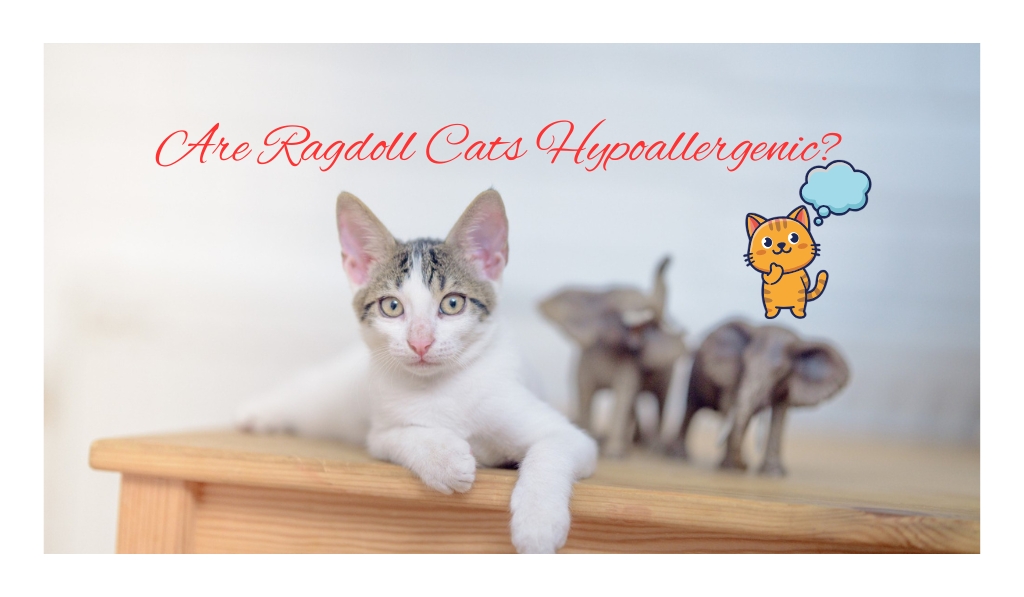
In case you are already in love with the beautiful blue eyes and kind nature of the Ragdoll cats, you might be asking yourself: are Ragdoll cats hypoallergenic? The easy way out is to say no, but the whole picture is more or less subtle and it brings hope to allergy victims.
Cat Allergies and Ragdoll Cats
First, it is time to clear up a common myth. The fur does not cause the allergies, the allergies are provoked by a protein known as Fel d 1. The protein is synthesized in the saliva, sebaceous glands and the skin of a cat. In grooming, cats transfer this allergen to their fur which dries and blows in the air.
In the case of cat allergy, Fel d 1 is allergenic in up to 95% of the sufferers. It is microscopic, sticky and will stay suspended in air hours hence the main cause of sneezing, itchy eyes and respiratory problems.
The reason behind Ragdoll Cats being superior to most allergic patients
Although Ragdoll cats are not hypoallergenic, they have a number of features that make them easier to handle by individuals with mild allergies:
Lower Fel d 1 Production
Studies indicate that certain Ragdolls might be slightly less active than the rest of the breeds in the production of the Fel d 1 protein. Numerous Ragdoll owners who are allergic complain of fewer symptoms although individual outcomes are widespread.
No Undercoat Advantage
Ragdolls do not have a thick undercoat as many of their cats do. This is important since the undercoat entraps dander (flakes of dead skin that have allergens). In its absence, there is less surface on which allergens can gather, and the dander is spread around the entire house.
Reduced Self-Grooming
Ragdoll cats are characterized by laissez-faire temperament that is also applied in their grooming behavior. They are less likely to groom themselves than other breeds, so a lower amount of saliva (and hence Fel d 1) is spread on their fur.
Calm, Gentle Nature
The Ragdoll cats are not as active and energetic as most breeds due to their placid personality. The fewer movements, the fewer airborne allergens that you arouse in your home.
Ragdoll Cat Characteristics
Understanding what makes Ragdolls unique helps explain their appeal despite allergy concerns:
| Characteristic | Details |
| Size | Males: 15-20 pounds; Females: 10-15 pounds |
| Lifespan | 12-17 years (some studies show 10-15 years) |
| Coat Type | Semi-long, silky, minimal undercoat |
| Shedding | Moderate year-round; heavier in spring and fall |
| Personality | Docile, affectionate, dog-like, sociable |
| Eye Color | Striking blue eyes |
The “Ragdoll” Personality
These docile giants were so known because of their propensity to get floppy when you take them up and like a ragdoll of a toy belonging to a child.
They are incredibly human centered, as they tend to accompany and track owners in and out of rooms and meet them at the entrance. This is a dog-like breed of the cat that requires attention of the human and survives on companionship.
Ragdoll are very tolerant with children and do not interfere with other pets. They are perfect family cats because they are calm and yet are needy such that they should not be left alone over long durations.
Factors Affecting Fel d 1 Production in Cats
| Factor | Impact on Allergen Levels |
| Sex | Intact males produce the most; females and neutered males produce less |
| Age | Kittens produce less than adults |
| Coat Color | No significant impact (contrary to myths) |
| Coat Length | No direct impact on production |
| Individual Genetics | Significant variation between individual cats |
Research shows that neutered male cats and female cats produce Fel d 1 at similar, lower levels compared to intact males. If you’re considering a Ragdoll kitten, opting for a female or neutered male may reduce your allergen exposure.
Managing Allergies While Living With a Ragdoll Cat
In case you are still set to cohabit with a Ragdoll cat in spite of your allergies, the following tricks can help alleviate the symptoms, to a considerable extent:
Environmental Control
- Get HEPA air cleaners to trap allergens in the air.
- Where possible, eliminate allergens such as heavy curtains, carpets and upholstered furniture.
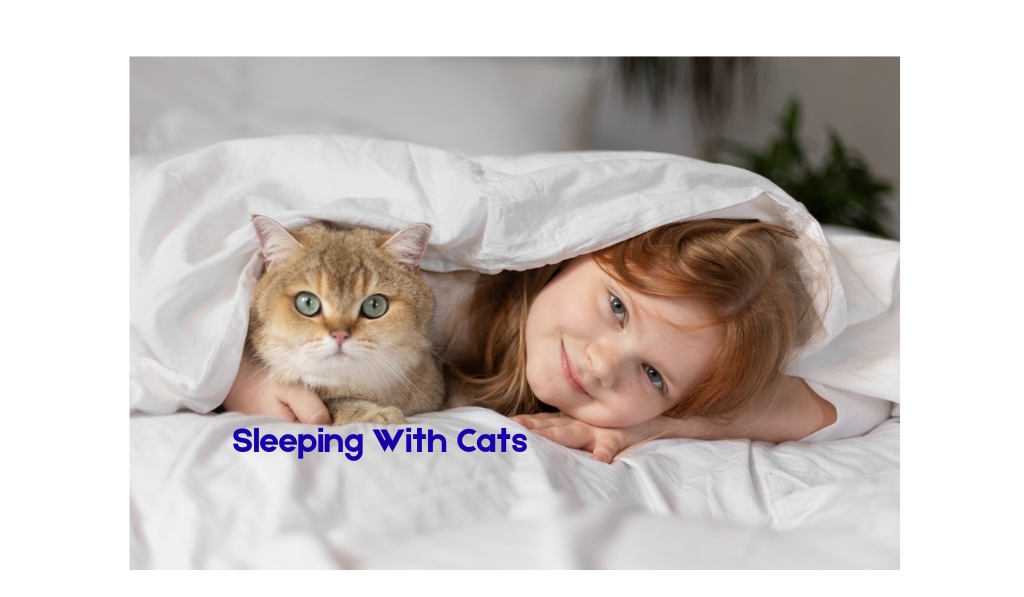
- Create cat-free areas, particularly in bedrooms where you get 6-8 hours sleep each night.
- Have a vacuum cleaner that has a HEPA filter.
- Clean clothes frequently such as bedding, blankets, and garments.
Grooming Practices
- Brush your Ragdoll 2-3 times a week to take away the loose hair and dander before they blow.
- Wash your cat within every 4-6 weeks in hypoallergenic pet shampoo to minimize the degree of allergens.
- Grooming should be done by a non-allergic.
- Wash hands right after you have been petting your cat.
Personal Hygiene
- Wash Ragdolls out of bed and sleeping quarters.
- Change after long periods of cuddling.
- Take a shower before going to the bed to eliminate allergens on your hair and skin.
- You should not touch your face after you have touched your cat.
Medical Management
Consult an allergist about:
- Antihistamines (non-prescription and prescription)
- Naresalbutamol inhalers.
- Long-term immunotherapy (allergy shots) to tolerance.
- Allergy tests to establish particular triggers.
Ragdoll Size and Lifespan
The size of the ragdoll cat is impressive. They are some of the biggest domesticated cat breed where the males weigh between 12-20 pounds and the females weigh between 8-15 pounds. They have long maturity periods, of 3-4 years to full size and coated growth.
The expected lifespan of Ragdoll cats is 12-17 years although other researchers indicate that the median is 10-15 years. A healthy weight, frequent visits to the clinic and proper nutrition are significant to long life.
Health and Wellbeing of Ragdoll Cats
On the one hand, Ragdoll is a generally healthy breed, on the other hand, there are certain breed-specific health issues:
- Hypertrophic cardiomyopathy (HCM): A heart disease that is genetically inherited in which the heart muscle becomes thick and as a result, the heart is unable to pump blood efficiently.
- Bladder stones: May lead to urinary complications especially in males.
- Obesity: They are, by virtue of their huge size, and carefree disposition, a challenge in terms of their weight.
- Food allergies: Ragdolls may have food sensitivities more than other breeds.
Veterinary visits and genetic screening of HCM are routine procedures that allow to identify the possible problem at an early stage.
Indeed Hypoallergenic Cat Alternatives
In case you have severe allergies, you can take into consideration the following breeds that can cause fewer allergens:
- Sphynx: Hairless cats do not trap Fel d 1 because they lack fur and thereby, the distribution of allergens is limited.
- Balinese: It is commonly referred to as a long haired siamese since the cats produce less of Fel d 1.
- Russian Blue: Thick, double layer which emits fewer allergens.
- Bengal: Cats that are playful and have a unique set of markings and do not groom as often.
- Siberian: There are genetic lines which have much lower Fel d 1.
It should be remembered that there is no breed of cats that is totally allergenic. Even the so-called hypoallergenic breeds do generate some Fel d 1.
Testing Before Committing
Prior to adoption of a Ragdoll kitten:
- See the breeder several times and spend much time with adult cats.
- Get an allergy test to establish the allergen sensitivity to cats.
- Test a trial period in case the breeder provides it.
- Take time in the cattery environment to see how you react.
- There is the idea of adult Ragdoll in a rescue to check compatibility.
Personal responses are radically different. There are cases where the sufferers of the allergy exhibit minimal symptoms after coming into contact with Ragdolls and they also have severe cases of reaction.
Ragdoll cat price and Availability
Cost per ragdoll kitten will be between $800 and 2,000 depending on pedigree, location and breeder fame. The kittens that are of a show quality have high prices. The popularity of the breed Ragdoll cats for sale are found rather easily by the means of:
- TICA-registered breeders
- Cat Fanciers Association (CFA) directories.
- Breed-specific rescues
- Ragdolls specialty local catteries.
Always do your research on breeders, demand health certificates, inquire about testing and visit to see before buying.
The Bottom Line on Ragdoll Cats and Allergies
Ragdoll cats do not cause hypoallergenic reactions in humans, but their distinctive features which include low levels of Fel d 1 production in certain individuals, lack of undercoat, low level of grooming, and relaxed temperament make them easier to handle by individuals with mild cat allergies.What matters is sensitivity level of individuals, personal strategies of managing allergens as well as realistic expectations to succeed.
Having decided to have a Ragdoll, take much time with the breed, discuss your allergies with medical professionals and follow an elaborate allergen-reduction strategy.In extreme cases of allergies, immunotherapy or finding another breed might be necessary to help the person realize the dream of owning a Ragdoll cat.
However, in the case of a mild allergy sufferer, who is ready to make some preventative precautions, these docile and loving companions may turn out to be a favorite member of the family.
Frequently Asked Questions
Q1: Do Ragdoll cats shed a lot?
A: There is moderately annual shedding by ragdolls, which sheds more in spring and fall. Their undercoat is not so dense so they shed less and matted a little less than other long-haired breeds however need to be brushed regularly.
Q2: How long do Ragdoll cats live?
A: Usually, with proper care the life span of the ragdoll cat is 12-17 years. Others live longer and research indicates that there is a difference in how people live depending on genetic makeup, food, medical service standards, and conditions.
Q3: Are female Ragdoll cats better for allergies?
A: Indeed, the female and neutered male Ragdolls have less Fel d 1 production than intact males. Nevertheless, they generate sufficient allergen to induce responses in the allergic individuals.
Q4: Can I build tolerance to my Ragdoll cat over time?
A: Others become gradually and consistently tolerant but this is not always the case. A more sure way to achieving long-term tolerance is through immunotherapy (allergy shots).
Q5: What’s the best cat food for Ragdoll cats?
A: Select AAFCO approved food that has got a high protein content and low carbohydrates. Wet food aids in hydration but can promote dental problems. Pay attention to the portion size of the watches because Ragdolls are easy to get obese. Your veterinarian has certain suggestions to make.
Q6: Are Ragdoll cats good with children?
A: Yes, Ragdolls are remarkably tolerant and gentle, and exceedingly patient, and are absolutely perfect family cats. They are calm tempered and therefore are not easily aggressive even when they are in the hands of small kids.
Q7: Do Ragdoll cats need special grooming?
A: Their semi long coat needs 2-3 times of daily brushing that helps to keep it off and to lessen shedding. In spring shedding, it can be required to be brushed daily. Ragdolls are generally easy to groom particularly at a tender age.