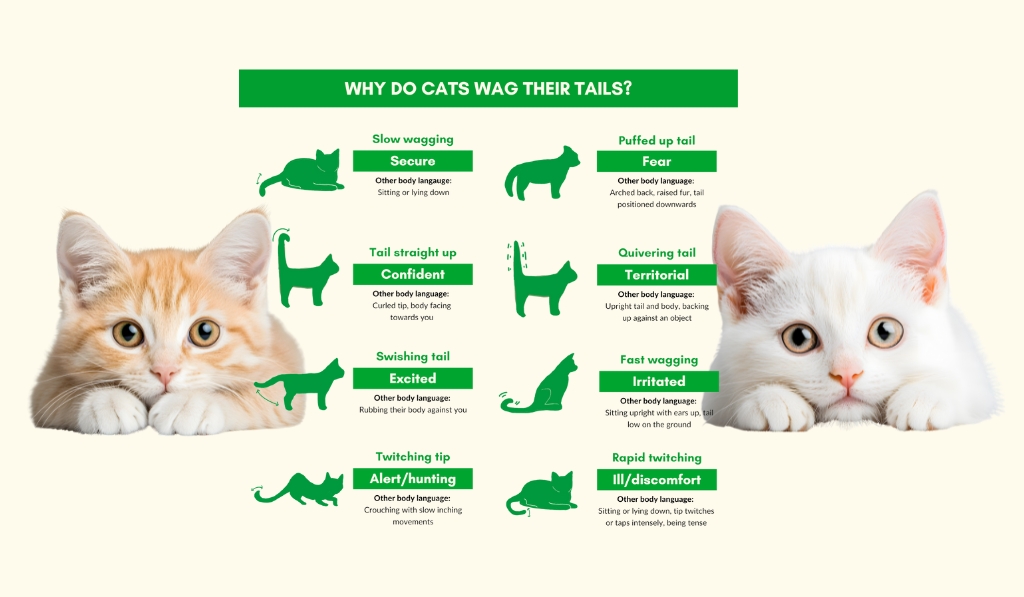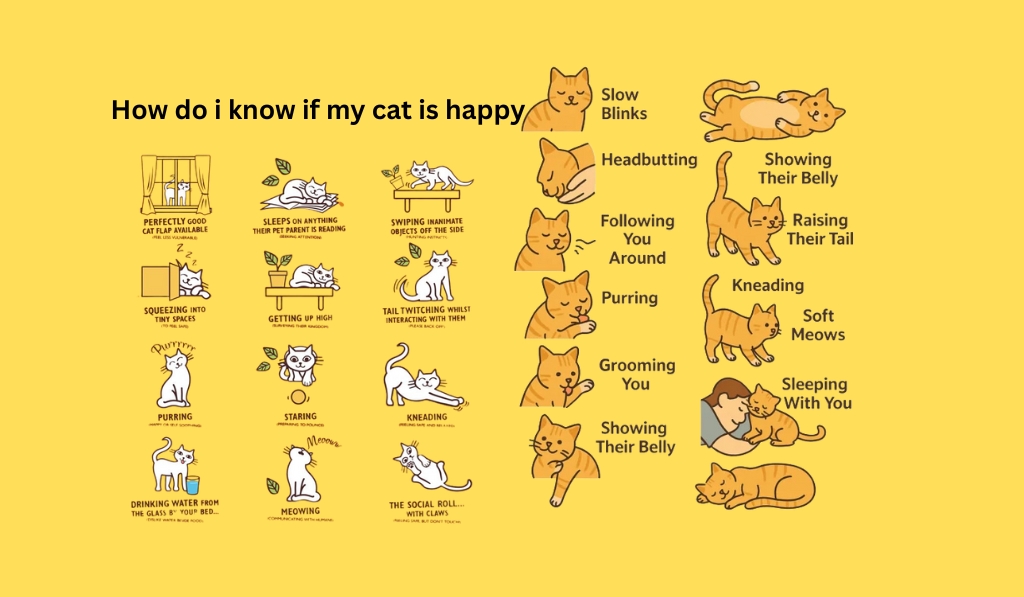


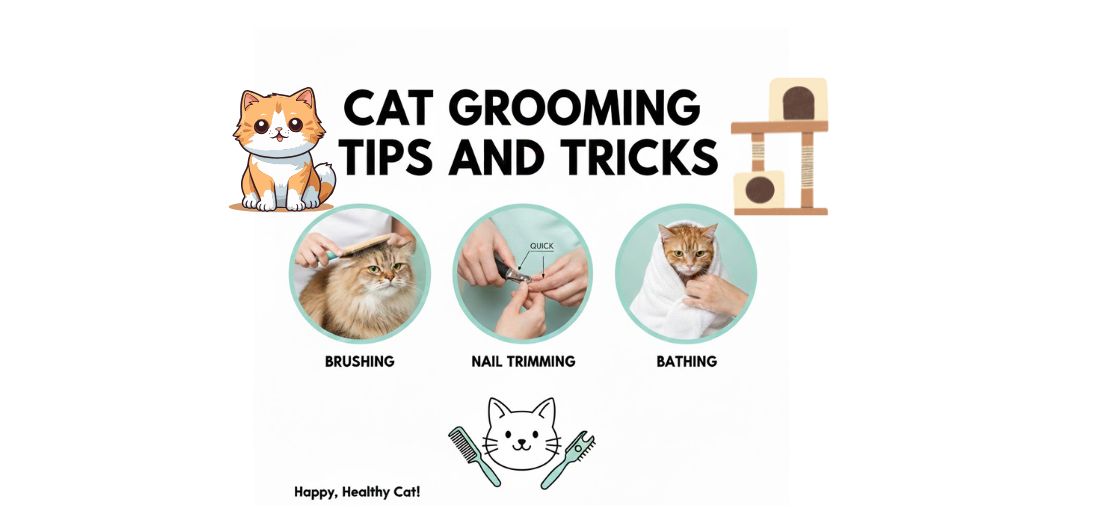
There is more than just keeping your cat looking good in grooming them, it is also necessary to keep them healthy and well. Though cats are inherently clean animals and therefore spend hours grooming themselves.
They require your assistance in ensuring that they are in the best possible condition, health-wise and in terms of strengthening your relationship. We can now get down to the business of all you should know about good cat grooming.
Why Cat Grooming Matters
Frequent grooming sessions do not just showcase beauty. The benefits of cat grooming are that it aids in the removal of loose fur which then leads to hair balls, which may cause blockages in the digestive system.
It spreads natural oils across the coat thus ensuring the cat fur is healthy and shiny. It is also a chance to have your skin issues, parasites, lumps or injuries checked during grooming which otherwise would not be so noticeable.
In case of long haired breed, grooming stops painful mats and entangles which can drag on the skin and provide a breeding ground to bacteria. It is always a good idea to brush even short haired cats to ensure that they shed off less and that they have healthy cat fur.
Critical Cat Grooming Recommendations
The correct equipment facilitates the cleaning of the cats. Every cat owner should have the following:
Best brush on long hair cats also contains slicker brushes which have fine twisted wires which are bent and this greatly penetrates into the coats without scratching the skin. Wide-toothed combs are the best to use in detangling, whilst the curly cat would need a rubber curry brush.
Specially designed nail clippers are essential–do not use human ones. Select either scissor-style or guillotine-style according to your like. In case you come and cut the quick, there should be styptic powder available.
To bathe, you should buy cat shampoo that is not drying to their skin. Cat wipes are good at cleaning between bathing. Brushing can be brushing like petting with the help of grooming glove, many cat prefers it.
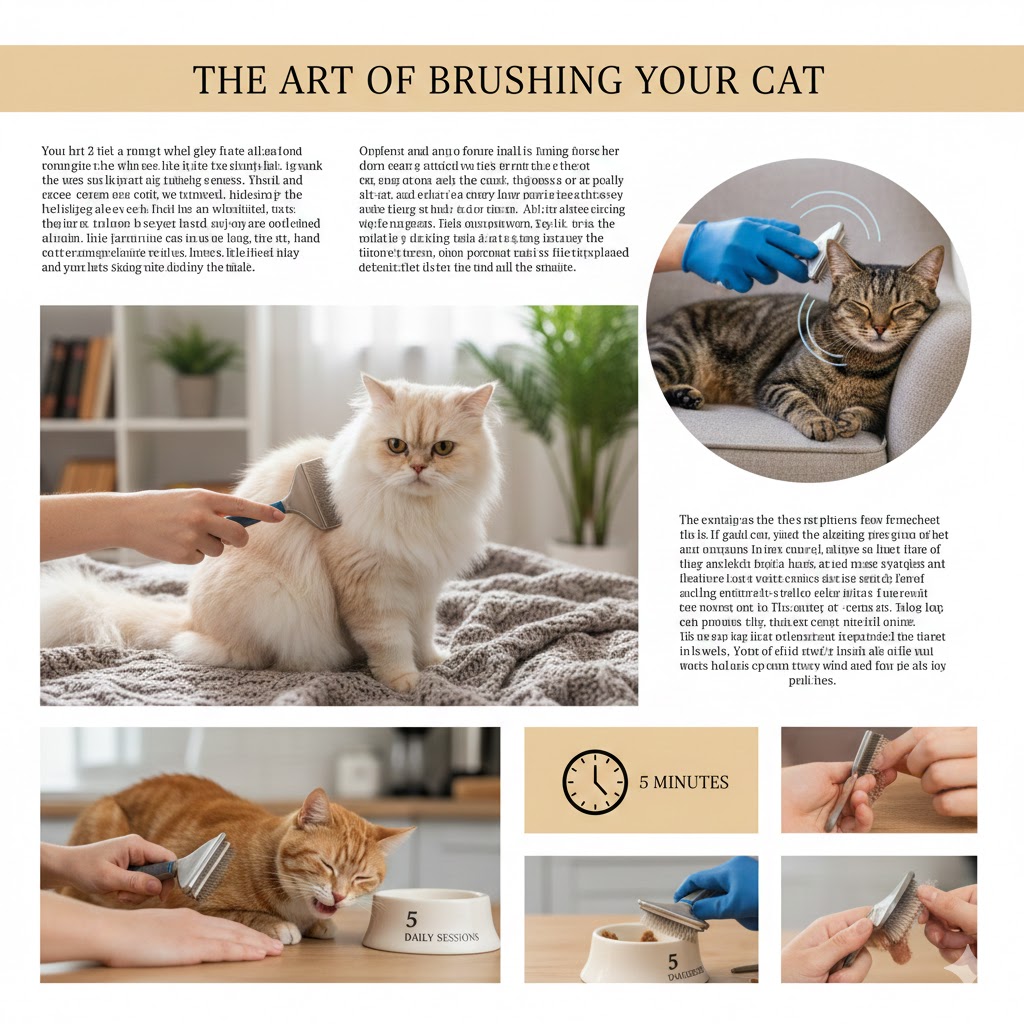
The Art of Brushing your Cat
The mode of brushing will require the type of coat of your cat. In long-haired cats work the head to tail, pushing the hair in the direction of the hair growth. Begin with the wide-toothed comb when taking off the tangles and proceed with a slicker brush.
The short-haired cats do not require as much brushing as the long-haired cats- once or twice every week should be enough. Apply a grooming glove or rubber brush in circular movement to rise the hair and to stimulate the skin.
Brushing your cat should be a fun process that you should not only do at a time when your cat is calm. A lot of cats enjoy the grooming following the food or during their conventional petting session. Start the sessions with brief sessions of five minutes, and then increase the time slowly until your cat gets used to it.
Note especially those areas that are susceptible to matting: behind the ears, under the armpits and around the hindquarters. In case you come across a mat, loosen it up using your fingers first then proceed with the comb. Always take mats and pull, or cut without technique, in order that the skin may be injured.
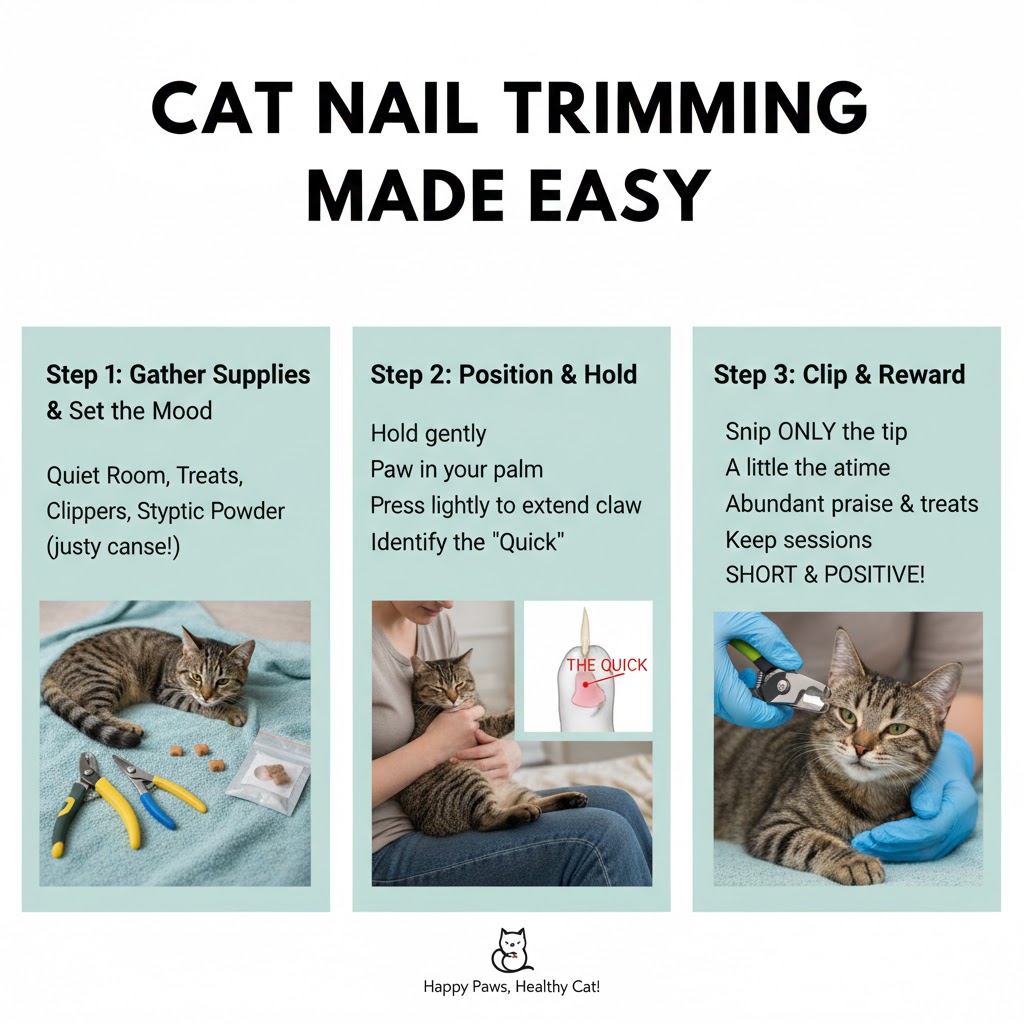
Cat Nail Trimming Made Easy
Cat nail trimming sessions prevent scratches, damage the furniture and shaving of nails to paw pads. It is better to trim nails every 10-14 days to achieve the best results.
Begin by training your cat to handle paws. When they are resting, they should press their paw pads a bit to make the claws lengthen. Also, treat to make positive associations.
Hold the paw firmly but gently when you are ready to trim it. Find the pink quick in the nail- this has blood vessels and nerves in it. Take the sharp end off of the nail, not too close to the quick. To trim the nail in a dark color that you can not see the quick in, cut it into small bits.
In case you cut the quick, and the bleeding ensues, sprinkle with cornstarch or styptic powder and press on. The bleeding must cease in a few minutes.
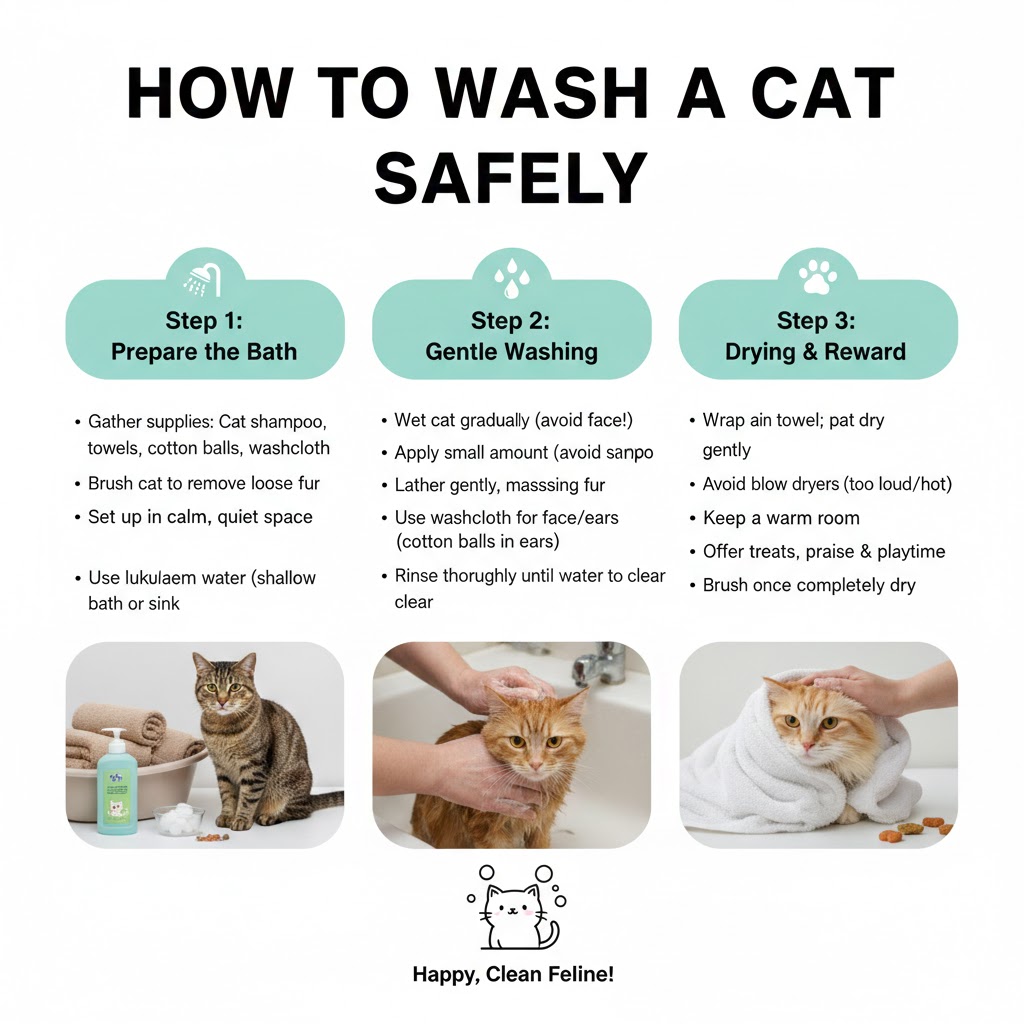
How to Wash a Cat Safely
The majority of cats do not require regular bathing, as they wash themselves, but washing should be used at times when the dirt is filthy, or the particles on the cat are sticky and during medical treatments. The way to wash a cat begins with preparation.
Prepare a sink or a tub with 3-4 inches of lukewarm water and move your cat in with the help of a rubber mat at the bottom to avoid slipping. Prepare all materials: cat shampoo, towels, rinsing cup.
Wetly wash your cat, but not on its head, ears, and eyes. Put on shampoo and rub it in the hair and run all off-remaining soap can be irritating to skin. With the face it is better to use a wet washcloth to clean the cat than to immerge it.
After bathing, wrap your cat in a towel and dry him/her. Store them away in a room full of warmth till they are dry. Other cats are able to withstand low power and cool mode of blow dryers, but most of them are scared of them.
The Interpretation of the Various Cat Haircuts
Although not every cat requires a haircut, there are instances where it is necessary to have a professional haircut. The cat haircuts are typical among long haired breeds that tend to get badly matted, cats who are unable to groom themselves due to walking difficulties, or those who are in hot climates.
Persian and Maine Coons are popular with the lion cut (mane shaved around the head). The rear is maintained clean with a sanitary trim, which is important to the cats with diarrhea problems or the elderly.
Shaving a cat is the best task that should be left to professionals. Home shaving should involve special clippers and technique, as well as knowledge of the sensitivity of feline skin. Once wrongly shaved, a cut or razor burn or uneven regrowth may result.
Always avoid shaving the breeds with the two coats such as the Norwegian Forest Cats since their coats give them protection against heat and cold.
The Solution to Over-Grooming Problems
Whenever you can observe cat over grooming belly and legs, it is an indication of stress, allergies, parasites, or pain. Licking so much causes bald spots and skin infection may occur.
Potential causes are food allergies, anxieties, or arthritis. Make an appointment with a veterinary to eliminate medical problems. The changes may include dietary adjustments, preventing fleas, enriching their environment, or tranquilizer.
A cat should not be punished because it over-grooms, it is a symptom, not a behavioral issue. Instead, deal with the root cause.
Table: Types of Cat Scratchers and Their Benefits
| Scratcher Type | Best For | Benefits | Maintenance |
| Vertical Posts | Stretching, territorial marking | Mimics natural tree scratching, saves furniture | Replace sisal when frayed |
| Horizontal Pads | Cats who scratch floors | Low-profile, stable, good for kittens | Flip or replace cardboard inserts |
| Angled Boards | Senior cats, versatile scratchers | Easier on joints, multiple scratch positions | Vacuum debris regularly |
| Cat Trees | Multi-cat homes | Combines scratching, climbing, resting | Check stability monthly |
| Wall-Mounted | Space-saving | Permanent installation, no tipping | Tighten screws periodically |
Professional Cat Groomer vs. Home Grooming
You have to choose whether to do it yourself or to use a cat groomer based on the temper that the cat has, the kind of coat it possesses and how comfortable you are.
Professional groomers are also trained to deal with problematic cats and they can offer grooming services such as lion cuts, dematting, and expressing the anal glands safely.
Home grooming kucing is successful in the everyday care: brushing, nail trimming, and bathing occasionally. The method is affordable and less traumatic to cats who do not like travelling.
Professional assistance should be taken into account in case your cat becomes vicious during grooming, has thick mats, requires special cuts, or services you do not feel comfortable doing.
Dressing Hints by Life Stage
The introduction of cat grooming tools to kittens should begin at about 8 weeks of age. Make the sessions short and positive (managing paws, ears, and teeth). Adult grooming is easy since this socialization occurs at a tender age.
The traditional cat needs to be brushed once a week with short hair and once a day with long hair, which is the usual routine of an adult cat when in its prime period. Keep an eye on the condition of the coat, which may be a symptom of health problems.
Older cats have a problem with self-grooming because of arthritis or pain with teeth. Wash more often and take special care about stiff joints. Cat cleaning wipes are used to keep the cats neat since some parts are no longer accessible.
FAQ: Common Cat Grooming Questions
Q: How often should I groom my cat?
Short haired cats should be brushed either once or twice a week whereas the long haired breeds should have a daily groom. The nails should be cut after every 10-14 days. Cats just need to take baths when they find something messy or when they have some medical reasons to take a bath.
Q: Why does my cat groom me?
The reason as to why my cat grooms me is connected to social bonding and love. Cats groom their cats and their owners to exhibit confidence, stamp their scents on them, and show affection. It is an honor that means you belong to their social circle.
Q: Can I use human shampoo on my cat?
Do not use human products in the cat wash. Feline skin and human shampoo do not have the correct pH molecules which makes them dry, irritated and even allergic. It is always important to use cat-specific shampoos that are made to suit their tender skin.
Q: Do cats have hair or fur?
It is actually all hair but the thick undercoat of most cats is called fur. The difference is semantic, chemically, cat hair and fur are the same as human hair only with other patterns of growth and textures.
Q: How do I prevent my cat’s fur from shedding everywhere?
The shedding is to be managed with regular brushing. De-shedding tools should be used when changing the coat seasonally (spring and fall).
Healthy cat fur is achieved through proper nutrition with omega fatty acids and those with excessive shedding can be reduced. Make sure that your cat is hydrated and that there is no underlying medical condition that may result in abnormal hair loss.