


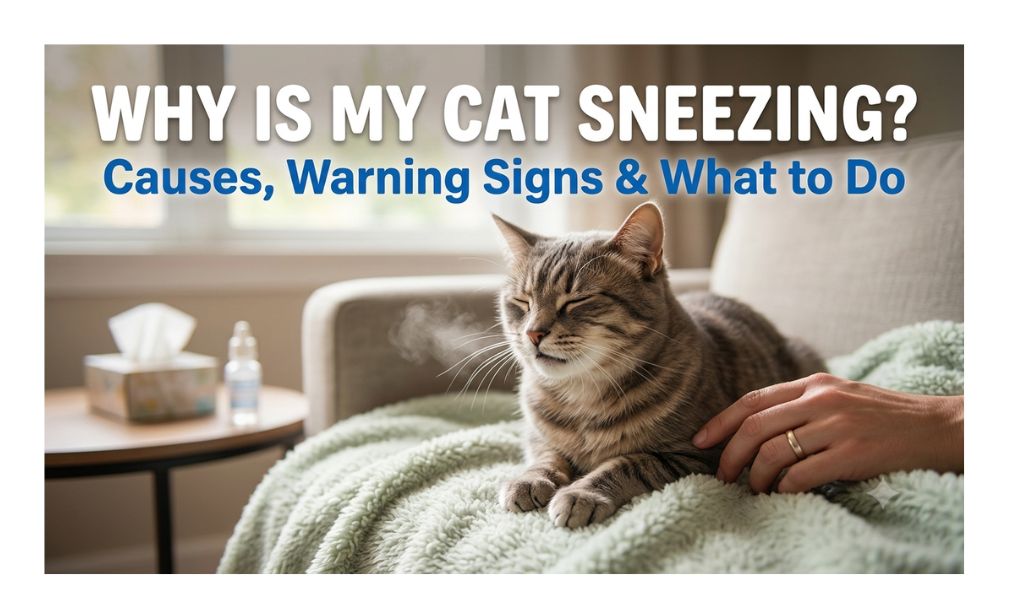
Why is my cat sneezing so much?
If your cat sneezes once and returns to her nap, then that’s nothing to worry about. However, if your cat has been sneezing for days, it’s time to start wondering, “Why is my cat sneezing so much? Cats are just as susceptible to colds and flu as a person; they sneeze for many of the same reasons as people do: dust, pollen, a passing virus, or a stray hair.
Most cases clear up on their own within a few days. However, if sneezing fits suddenly appear or are accompanied by discharge, watery eyes, or a lack of appetite, these may indicate infection, allergy, dental problems, or more serious issues that may require a vet’s attention.
This guide explains the true reasons cats sneeze, how to differentiate it from other noises, and when it’s time to make an appointment.
What Causes Sneezing in Cats?
Sneezing clears an irritant from the nose or throat. The trigger behind that irritation is what matters.
Common causes include:
- Upper respiratory infections. Feline herpes virus and calici virus cause most cat sneezing. Herpes virus often sits dormant and flares up during stress or a household change.
- Secondary bacterial infections. Once a virus weakens the nasal lining, bacteria move in, often causing thick yellow or green discharge.
- Allergies and irritants. Pollen, dust, mold, smoke, candles, and cleaning sprays can trigger repeated sneezing. Litter dust is a common, overlooked culprit.
- Foreign material. Grass seeds or inhaled debris can lodge in the nasal passages and cause repeated sneezing until it clears.
- Dental disease. Cat tooth roots sit close to the sinus cavity, and a deep infection there can lead to sneezing during or after eating.
- Fungal infection. Crypto coccus, found in soil and bird droppings, can settle in a cat’s nose and cause ongoing irritation.
- Nasal polyps or tumors. Less common, but persistent, one-sided sneezing with nosebleeds in an older cat can signal a growth in the nasal passage.
Cat Sneezing vs. Reverse Sneezing, Coughing, and Wheezing
A true sneeze is a short, forceful burst of air out through the nose. Owners often confuse it with other sounds that have different causes.
- Reverse sneezing sounds like a snorting gasp drawn inward, often from throat irritation.
- Coughing comes from the lower airway and may signal asthma or heart worm.
- Wheezing is a whistling sound from narrowed airways, sometimes paired with sneezing in kittens.
- Retching or hiccuping can look similar but point to a digestive issue, not the nose.
A quick video of the episode makes it easier for your vet to confirm what’s happening before guessing at treatment.
When Cat Sneezing Becomes a Red Flag
Occasional sneezing rarely needs a clinic visit. But call your vet if your cat won’t stop sneezing for more than a few days or if you notice the following:
- Thick, colored, or bloody nasal discharge
- Watery or swollen eyes
- Coughing, wheezing, or labored breathing
- Loss of appetite or noticeable weight loss
- Lethargy or hiding more than usual
- Sneezing only from one nostril, especially with a foul smell
Sudden, violent sneezing fits, sometimes called sneezing “like crazy,” can mean something is physically stuck in the nose and needs removal.
Quick Reference: Cat Sneezing Causes and What to Do
| Likely Cause | Key Signs | What Helps |
| Viral infection | Sneezing, mild discharge, watery eyes | Rest, hydration, and a vet check if it lasts past a week |
| Bacterial infection | Thick yellow or green mucus | Vet-prescribed antibiotics |
| Allergies or irritants | Sneezing tied to cleaning, candles, or season | Remove the trigger and ask about antihistamines |
| Dental disease | Sneezing while eating, bad breath | Dental exam and treatment |
| Foreign object | Sudden, intense sneezing from one side | Vet exam, possible nasal flush |
| Fungal infection | Swollen nose bridge, nosebleeds | Antifungal medication |
| Chronic rhinitis | Sneezing that returns after every cold | Long-term management with your vet |
How Vets Diagnose and Treat a Sneezing Cat
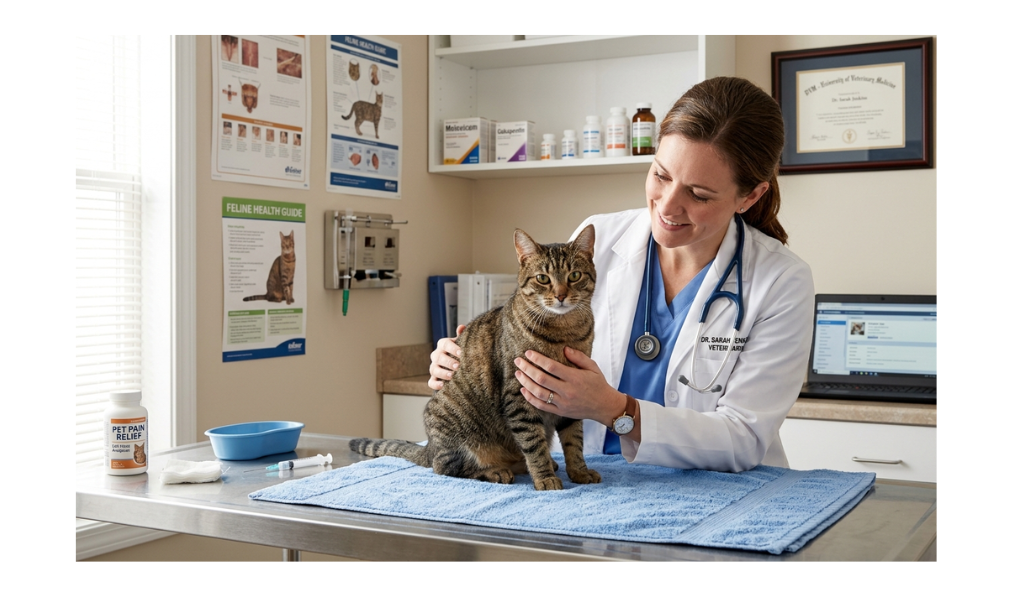
A veterinarian will typically make a clinical examination and history first before moving on to tests, as that will help narrow it down sooner.
When the cause is unclear, treatment trials, flushing the nose, rhino-scopy with biopsy, or imaging might be considered for persistent and unilateral cases. Often, only viruses are tested for and not diseases, as many healthy cats may be infected with viruses and not ill.
Treatment depends upon the cause: antiviral or antibiotic drugs if infected, antihistamines if an allergy, dental treatment if the sneezing is caused by tooth problems, or anti-fungal drugs if a fungal infection has been confirmed.
If the inflammation is severe, it can damage the small structures within the nose, causing a cat to develop a chronic condition (chronic rhinitis), which is treated but not cured entirely.
Helping a Sneezing Cat at Home
A few steps help while mild sneezing clears up:
- Run a humidifier to keep nasal passages from drying out.
- Wipe discharge gently with a warm, damp cloth.
- Switch to a low-dust or unscented litter.
- Keep food and water easy to reach, since a stuffy nose dulls appetite.
- Reduce household stress, since herpes virus flare-ups often follow moves or new pets.
Kittens need extra attention here. A kitten sneezing and wheezing together, especially with crusty eyes or low energy, can decline fast and should see a vet sooner rather than later.
Final Thoughts
It is normal nasal housekeeping when a cat sneezes now and then. It’s a concern when it occurs frequently and when associated with what? You can tell a lot from watching the discharge, appetite, and duration of discharge. If there’s any doubt, it’s better to call your vet.
If your cat’s sneezing has persisted for more than a couple days or it appears to be getting worse, make an appointment with your vet before it becomes a serious problem.
Frequently Asked Questions
Q1; Why is my cat sneezing all of a sudden?
If you begin to sneeze suddenly, this is likely due to a new irritant such as dust, cleaning chemicals, or a foreign object in the nose.
It can also signal the onset of a viral infection. If it lasts for several days or your cat is uncomfortable, it’s a good idea to visit your veterinarian.
Q2: If your cat is sneezing, what does that mean?
Chronic (recurrent) sneezing for several days may be a sign of upper respiratory infection, allergies, or dental diseases. If your pet continues to sneeze, it isn’t likely to cure itself completely, so it’s best to see a veterinarian for advice instead of letting it go on indefinitely.
Q3: Does it make sense to have a cat sneezing excessively?
It’s normal to sneeze occasionally and no cause for concern. If sneezing occurs often or daily, it is not normal and typically indicates a problem, such as infection, allergies, or house dust mites, which should be treated.
Q4: Why do cats sneeze and wheeze at the same time?
If someone is sneezing while wheezing, it could indicate a respiratory infection in the nose and airways. This is a frequent association in kittens and can rapidly deteriorate, making early veterinary attention advisable.
Q5: When should I take my cat to the vet if he is sneezing?
If sneezing continues for 3-5 days or more, or if you sneeze frequently, or if it is accompanied by nasal discharge, watery eyes, decreased appetite or lethargy, be sure to see a vet.
One-sided sneezing or nosebleeds are also a reason for a same-week appointment.



1 thought on “Why Is My Cat Sneezing? Causes, Warning Signs, and What to Do”
Great content! Keep up the good work!